What Is Procrastination? And How Can You Stop Procrastinating?

what is procrastination

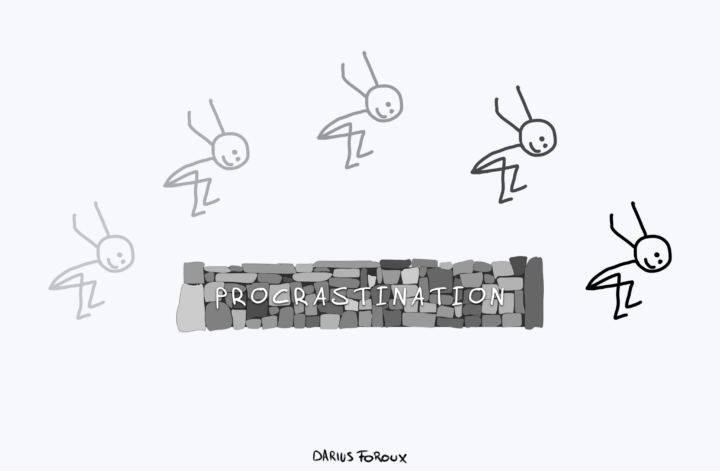
The purpose of this guide is twofold. First, I will define what procrastination is. Second, I share tested and proven ways to stop procrastinating.

Like my guide on improving productivity, this is a dynamic guide. I’ve been researching these concepts for 10+ years. I’ll continue to update this page as I find new ways to improve it. Feel free to bookmark this guide as a reference. I hope you find it useful.

Continue Reading

How To Let Go and Be Emotionally Free

Can’t let go of anger

A while back, I noticed that I became restless when I couldn’t work out or go to the gym. I was so used to working out that I made it a part of my identity. I couldn’t let go of it. 

Do you know what that feels like? It’s the same when you can’t stick to any one of your habits—good or bad. Waking up early, reading, meditating, journaling, you name it. 

What happens if we can’t stick to our good habits? We become restless. That’s harmful behavior because you’re not fully free. I mentioned the working out example to my friends recently, and every single one of them who worked out regularly could relate.

Continue Reading

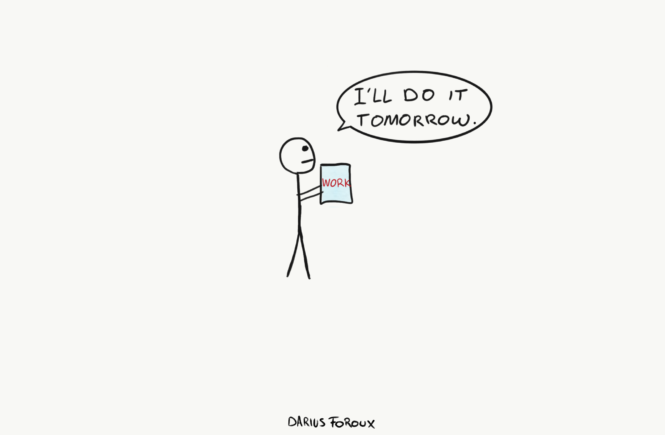
11 Lessons I’ve Learned From Beating Procrastination 500 Times

beat procrastination

I’ve published more than 500 articles on my blog. And every single time, I had to beat procrastination before I even wrote the first sentence.

Once I wrote the first sentence, the second was easier, the third was even easier than that, and so forth. But it wasn’t always like this; in the past, I never got to the first sentence. I never started. And as a result, I didn’t finish things either.

Since 2015, I’ve been sending out a weekly newsletter. I’ve published 7 books and created 6 online courses. In addition to that, I’ve been writing a new book since 2021, called The Stoic Path to Wealth, which will be published by Portfolio / Penguin on February 27, 2024.

Continue Reading

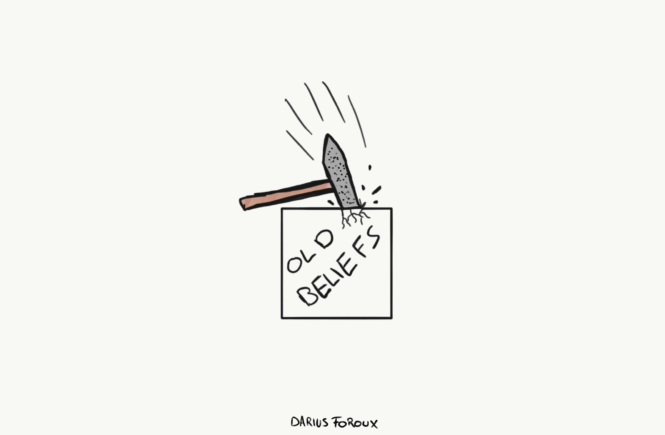
If You Can Change Your Mind, You Can Change Anything

changing your mind and old beliefs

Adopting habits with a positive return is one of the most effective self-improvement strategies. That’s why so much advice revolves around changing one’s mind and habits. 

However, there’s a downside that gets ignored by every habits-expert. The 17th century English poet, John Dryden said it best: 

“We first make our habits, then our habits make us.” 

The beauty of this quote is the duality it expresses. You can read that quote and find confirmation that habits are good for you. Once you form a habit, the habit will do the work for you. You no longer have to think about performing an action. Whether it’s working out, writing, being grateful, and so forth.

Continue Reading